Best Speakeasies and Hidden Bars in St. Pete
St. Pete's best speakeasies and hidden bars — from unmarked doors on Central Ave to secret back rooms in Historic Kenwood. A local's guide to the Bay's best.
St. Petersburg, Florida has one of the most legitimate speakeasy and hidden-bar cultures on the Gulf Coast — not a gimmick, but a genuine scene that grew out of the city's arts-district identity and creative-class migration over the past decade. The best hidden bars in St. Pete are concentrated along the Central Avenue corridor, from the Grand Central District through the Edge District and into downtown, with a few outliers worth hunting down in Historic Kenwood and beyond.
This guide is written by someone who lives here and actually goes to these places. No aggregator-list filler.
Why St. Pete Developed a Real Speakeasy Scene
Most Florida cities have theme-park nightlife — loud, neon, obvious. St. Pete went a different direction starting around 2010 when the arts district on Central Avenue began attracting bartenders who'd trained in New York, Chicago, and New Orleans. They wanted to build craft programs without the overhead of a 200-seat restaurant, and St. Pete's commercial rents — averaging $18-to-$24 per square foot on Central as recently as 2023, compared to $35-plus in Hyde Park Tampa — made small, concept-driven rooms economically viable.
The result: a cluster of low-signage, high-craft bars that reward people who know where to look. By mid-2026, I count at least eight venues in the St. Pete market that qualify as either a true speakeasy (unmarked entrance, reservation or code required) or a "hidden room" concept nested inside a restaurant or retail front.
The Anchor: Mandarin Hide and the Red Door Tradition
The Mandarin Hide on 1st Avenue South is the bar that put St. Pete's hidden-bar scene on the national map. It opened in 2013 behind an unmarked red door — no sign, no sandwich board, no posted hours. You either knew the address or you didn't.
What made it work wasn't the mystique. It was the cocktail program: precise, seasonal, and built around spirits most Florida bars weren't stocking at the time. Amaro, aged rum, mezcal before mezcal was everywhere. The room holds maybe 60 people at capacity and it still fills on a Wednesday.
The Mandarin Hide also established a community norm. When the next wave of bartenders opened their own concepts in St. Pete, the "find it yourself" ethos was already baked in.
The Central Avenue Corridor: Where Most of the Action Lives
Central Avenue is the spine. Here's how I'd break down the zones:
Downtown Core (1st Street to 9th Street on Central) This is where you find the most polished concepts — better build-outs, higher cocktail prices ($16-to-$22 is typical for a craft build in 2026), and more tourists mixed in with regulars. Some venues here have graduated from "hidden" to "well-known secret," which is its own category.
The Edge District (13th to 18th Streets on Central) This is the sweet spot right now. Lower rents, more experimental programming, and a crowd that skews toward the creative-professional demographic — the same people buying bungalows in Historic Kenwood and renting in the Grand Central district. I've watched three new cocktail-forward concepts open here between January and June 2026 alone. At least one operates out of what presents as a plant shop during the day.
Grand Central District (22nd to 31st Streets on Central) More neighborhood-bar energy here, less theatrical. Some of the best dive-adjacent spots with serious back-bar selections. The Grand Central District has become a relocation destination for bartenders priced out of downtown, and the regulars-to-tourist ratio is still heavily in favor of regulars.
Hidden Rooms Inside Restaurants: The 2024–2026 Trend
The post-Helene rebuild period — late 2024 through 2025 — accelerated a format that was already emerging: the hidden cocktail room inside a full-service restaurant. The logic is sound. The restaurant carries the lease, the kitchen, and the liquor license. The back room or basement concept gets the craft positioning without the standalone overhead.
Several St. Pete restaurants opened or re-opened with this dual format in 2025-2026. If you're dining somewhere on Beach Drive or along the waterfront and there's a door marked "Staff Only" or "Private" near the bathrooms — ask your server. A surprising number of them lead somewhere interesting.
This connects to why St. Pete's food-and-drink scene is getting national attention right now. The same creative energy driving restaurant openings like Mei and Forbici is feeding the cocktail-room format. These aren't separate scenes; they're the same community of operators.
What to Know Before You Go: Practical Details
A few things I tell anyone asking me about this before they visit:
- Capacity is real. Rooms that hold 35-to-50 people fill. Thursday is the best walk-in night. Friday and Saturday after 9 PM, have a backup plan.
- Cash is still king at some spots. Not all, but enough that having $60 in your pocket is worth doing. A few of the more theatrical concepts don't take cards at all — it's part of the bit.
- The SunRunner makes Central Avenue genuinely car-optional. The bus rapid transit line runs from downtown St. Pete all the way to St. Pete Beach, stops are frequent on weekend nights, and it costs $2.25. If you're drinking seriously, use it.
- Dress code varies wildly. Some of the most serious cocktail rooms have no dress code. A few of the theatrical speakeasies play up the 1920s aesthetic and the crowd dresses accordingly. Check Instagram for vibe calibration — it's a more reliable signal than Yelp in 2026.
- Parking. The Grand Central lot off 26th Street fills after 8 PM on weekends. The Sundial garage downtown validates for some venues. Street parking on the side streets between 13th and 18th is your best bet for the Edge District.
After Helene: Which Areas Bounced Back and Which Didn't
Hurricane Helene's October 2024 storm surge hit the lowest-lying parts of downtown St. Pete and some of the Beach Drive waterfront. Most venues along Central Avenue above 4th Street North saw zero flooding — the topography tilts enough that the surge dissipated before reaching the core nightlife corridor.
Venues that were in the flood path — a handful near the waterfront and in the Old Southeast — dealt with closures through late 2024 and into 2025. By mid-2026 the majority have reopened, though a few relocated slightly inland. The net effect on the bar scene was minimal disruption to the Central Avenue corridor and arguably a faster pace of new openings in the higher-elevation Edge District and Grand Central areas.
If you're evaluating the St. Pete bar scene as a factor in where to live — and I hear this from buyers more than you'd think — the best walkable St. Pete neighborhoods and the best areas for young professionals overlap almost exactly with the nightlife corridor. That's not a coincidence.
A Note for Out-of-Towners Moving to St. Pete
I get calls from buyers relocating from New York, Chicago, and California who specifically ask about nightlife as a quality-of-life factor. My honest answer: St. Pete punches well above its weight. The cocktail culture here is legitimately comparable to what you'd find in neighborhoods like Logan Square or Williamsburg — but the rent is lower, you can park, and you're ten minutes from the water.
If walkability to this scene matters to you as a buyer, I can pull comps in the neighborhoods that put you in range. Properties within a half-mile of the Central Avenue corridor in the 33705 and 33712 ZIP codes have averaged 4.1% appreciation year-over-year through Q1 2026 — meaningful in a market where the countywide average is 2.8%.
Thinking about buying or already own a home near the Central Avenue corridor? I'll pull 3 real MLS comps for your specific address and text them to you within 24 hours — free, no pressure, no obligation. Drop your address here and I'll get back to you same day.
What's your St. Pete home actually worth?
Zillow's guess can be off by tens of thousands. Tell me where to send it and I'll pull 3 real MLS comps — actual recent sales near you — and email them within 24 hours. Free, no obligation, no pressure to list.
Unsubscribe anytime. Your email is never shared.
Frequently Asked Questions
Real questions Luke gets from buyers and sellers in this area.
Thinking about a move in St. Pete?
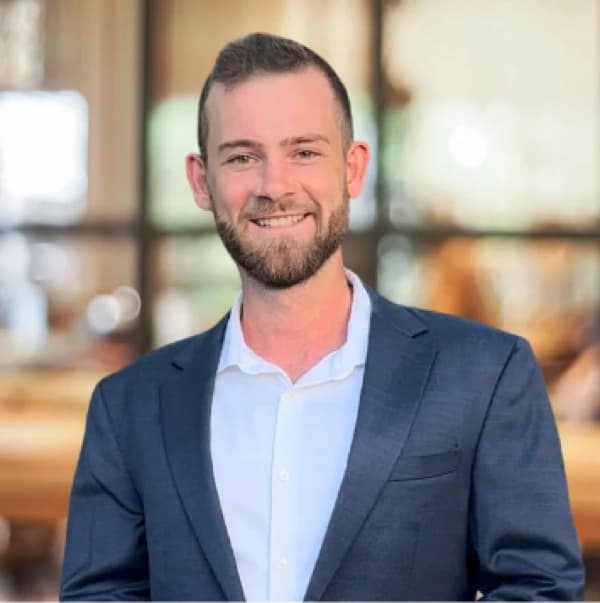
I'm Luke. I live in Shore Acres, I sell across St. Pete and Tampa Bay, and I'm here to help when you're ready.
Related
Historic Kenwood, St. Petersburg: The Complete 2026 Neighborhood Guide
An honest guide to Historic Kenwood in St. Petersburg, FL — Florida's largest concentration of bungalows, the Bungalowfest neighborhood, real prices, and what living here is actually like in 2026.
Best St. Pete Neighborhood for Young Professionals
Discover the best St. Petersburg, FL neighborhoods for young professionals in 2026—walkability, nightlife, commute, and home prices compared.
What Are the Most Walkable Neighborhoods in St. Pete?
Discover the most walkable neighborhoods in St. Petersburg, FL — with Walk Scores, home prices, and insider tips from a local agent who lives here.
Best Tampa Bay Neighborhoods for Musicians and Artists
Looking for Tampa Bay's most creative neighborhoods? Luke Salm breaks down where musicians and artists actually live, work, and buy — with real prices.
Tampa vs. St. Pete Condos: A Buyer's Guide for 2026
Comparing Tampa vs. St. Pete condos in 2026? Get price-per-sqft data, HOA costs, flood risk, and walkability to pick the right city for your budget.
Historic Kenwood vs Grand Central District: Which St. Pete Neighborhood Is Right for You?
Honest, stat-driven comparison of Historic Kenwood and Grand Central District in St. Pete — prices, flood risk, lifestyle, and who should buy where in 2026.